

-
Phoebe zhennan
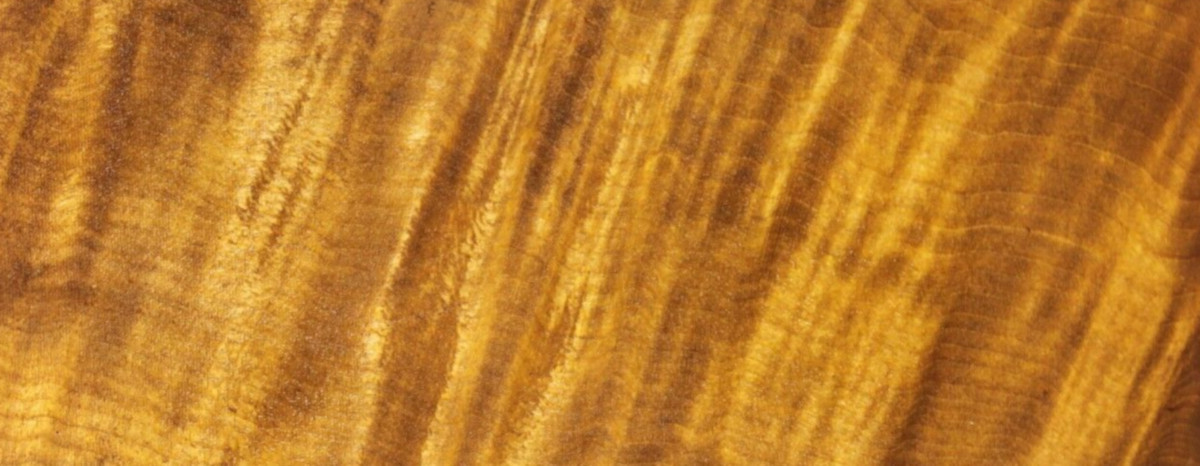
The wood is aromatic, straight-grained, and finely structured, resistant to deformation and cracking, making it an excellent wood for architecture, fine furniture, etc. Historically, goldenrod was used exclusively for the construction and furniture of royal palaces and a few temples. The surface of the wood shines golden in the sunlight, with golden threads emerging and an elegant fragrance.
-
Beech
Beech is a hard wood, it has a straight, clear, and even grain. But it cracks and deforms easily. In mass production, the same beech does not have a uniform color.
-
Corkwood
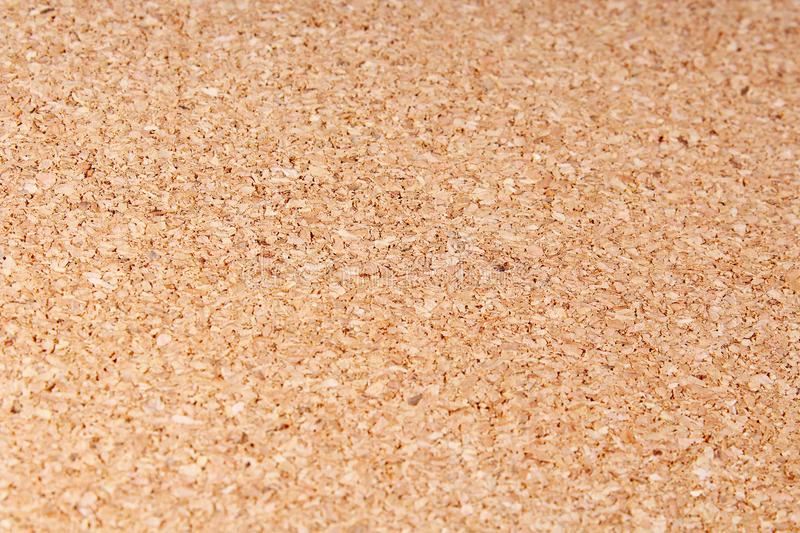
The product of the outer bark of the oak tree, the texture is very soft and elastic, sealing, corrosion resistance, mostly used for making bottle stoppers.
-
Pine
The most common wood has a natural color, clear and beautiful texture, and is practical to use. But pine is soft and can be deformed easily, sometimes spills grease. It emits a pine smell. The color is not quite stable and easy to discolor.
-
Rubberwood
The rubberwood raw material is cheap, it has a clear pattern and elegant color but is not resistant to corrosion.
-
Ash wood
Rough and clear texture, straight texture, with a very real wood touch, high wood hardness, easy to process, good grip feel, good painting effect. Ash wood is scarce, and it relies on imports, which means expensive.
-
Walnut
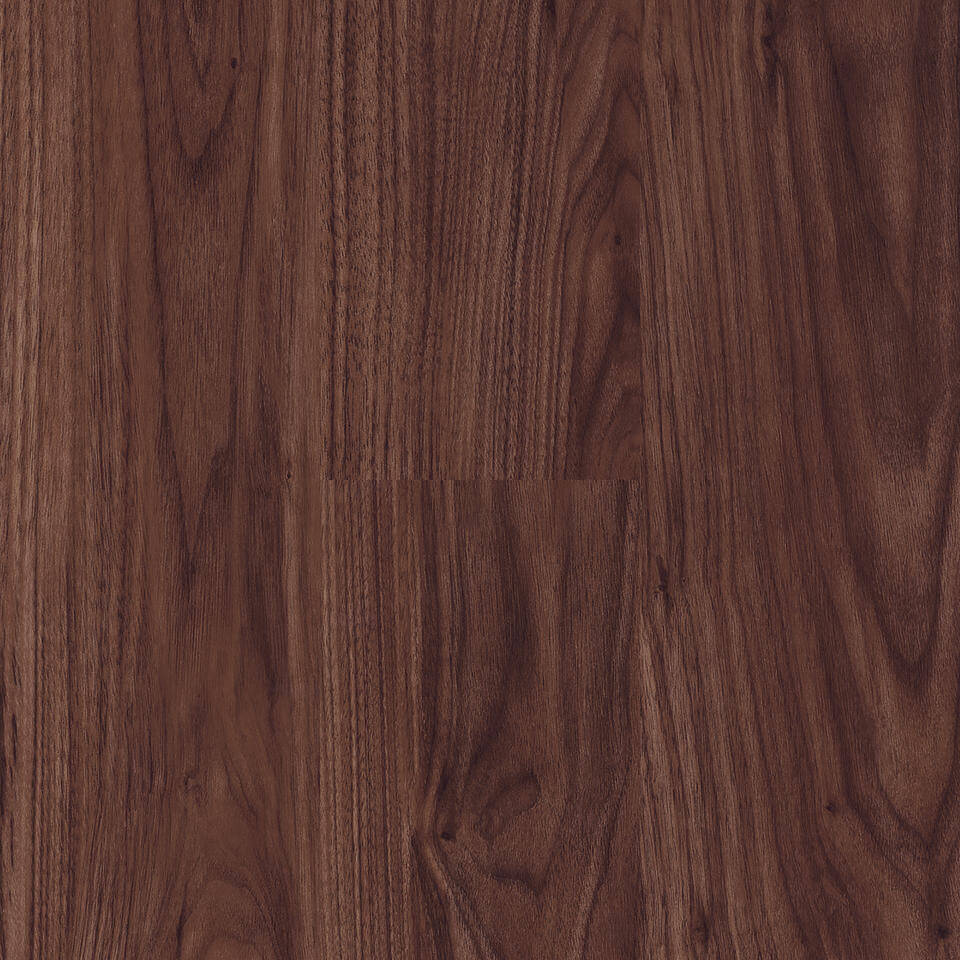
Walnut has fine texture, good painting effect, generous appearance and corrosion resistance, it's not easy to deform and crack.
-
Sapele
Sapele has an interlocking wood grain and a certain performance of corrosion resistance. It's durable, pressure resistant, and painting on the surface is convenient.
-
Bamboo
The dried bamboo is finely textured and straight, accompanied by bamboo knots, and has light yellow or light brown. Bamboo fibers are visible on the surface. The texture is harder than other woods and the growth period (3-5 years) is shorter than other woods. Bamboo is easy to process, the common processing methods are printing, stamping, laser engraving and dipping.
-
Acacia
Acacia seeds are red beans, also known as red bean wood, the texture is like chicken wings in a V-shaped, corrosion-resistant.
-
Schima
Schima texture is water rippled.
-
Birch
Birch bark is the bark of birch wood, its texture is soft, and can be used as the outer packaging of products.
-
Yellow rosewood
Yellow rosewood is rare, it's very stable and won't deform and crack, suitable for some shaped products, the wood texture is fine and smooth to the touch.
Learn more about the white ash wood top opal glass series